
online courses

  • All about Reflexology

    All about Reflexology

    Updated 8th April 2025

    Derived from Eastern medicine practices, Holistic treatments are non-invasive therapies which aim to treat underlying issues. They work on creating harmony within in the body through connection with energy points or meridian lines to work on overall health and well being. They compliment the western approach of medicine by offering an additional method for relaxation and stress relief which can benefit a variety of clients. One of the most popular Holistic treatments is Reflexology. In today’s blog we’re going to put a spotlight on this ancient treatment giving you and insights into the benefits and practices.

    What is Reflexology and how does it work?

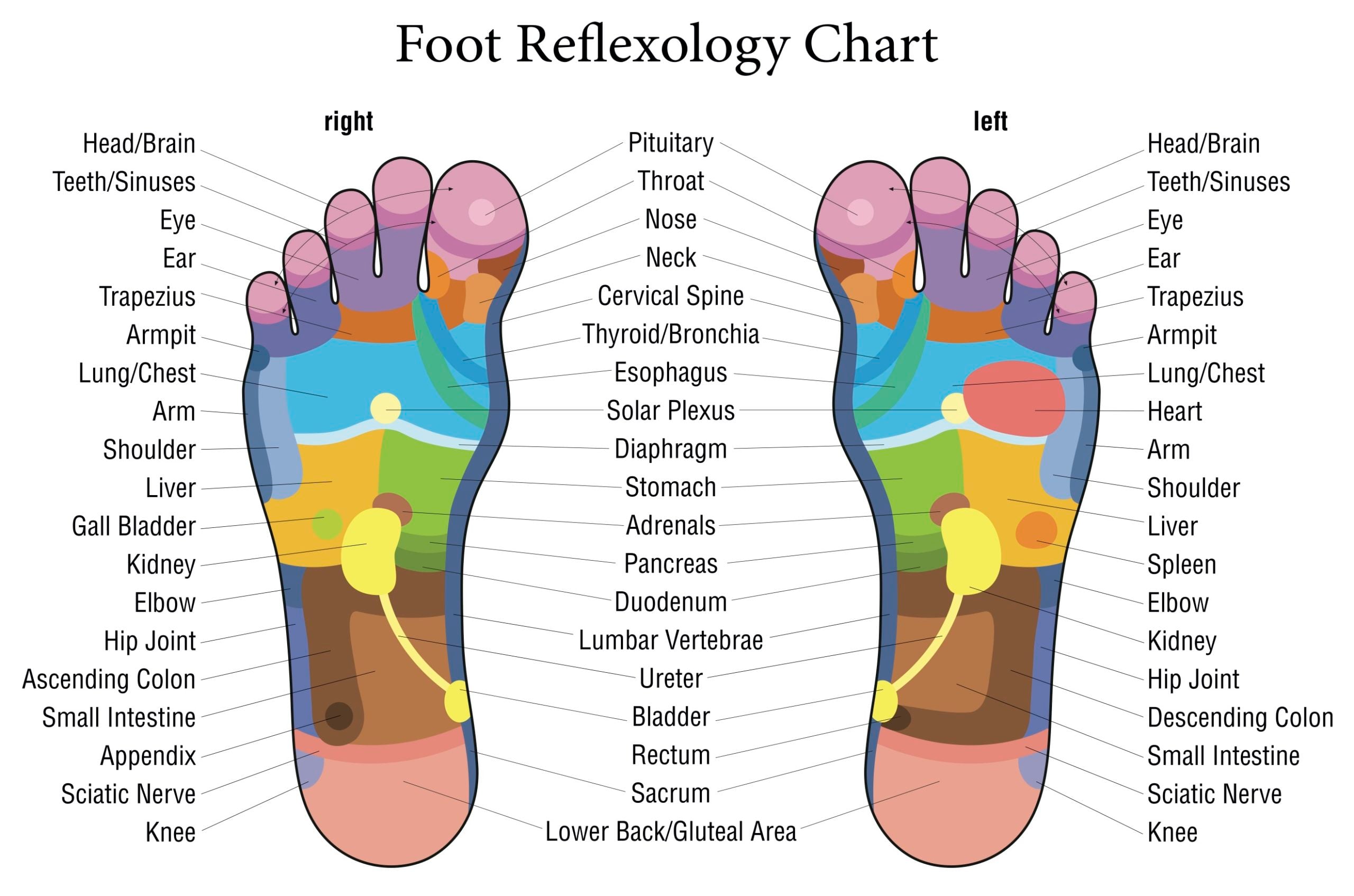
    Reflexology is an In-depth foot treatment designed to relieve stress, relax and rebalance the body. The treatment focusses on reflex areas on foot which correspond to all of the glands, organs and parts of body. Pressure is applied using thumbs/fingers to reflex points on feet to stimulate these specific parts of the body encouraging a balance affect.

    Reflexology uses zone therapy which was developed by Dr William Fitzgerald. Dr Fitzgerald believed the body could be divided into longitudinal zones running from the top of the head to the tips of the toes, he found that those parts of the body in each zone are linked by a flow of energy and that the parts of the body in each zone can have an effect on each other.

    The body systems are represented on the feet a good way to learn this areas is to see the two feet together as a mirror for the body. For example, the brain reflex is found on the top of the big toe, the spine runs from the big toe down to the heel on each foot. The right foot governs right-hand side of body, left foot governs left-hand side of the body. The image below details the organs and where they are found.


    What are the benefits of Reflexology?

    • Stress relief – stress is responsible for 75-85% of illness
    • Improves circulation – body relaxes during reflexology – tension that restrictsblood flow is reduced enabling the blood to flow more freely
    • Helps eliminate toxins from the body (improves the function of the lymphaticsystem and stimulates the excretory system)
    • Balancing – improves the balance between the systems of the body so boostingthe immune system.

    What is the role of the Reflexologist?

    Reflexologists should never medically diagnose during a session with a client, the treatment is merely to focus on rebalancing the body and its systems. This is done by providing a relaxing treatment using pressure with fingers and thumbs to the reflex points not he client’s feet in order to stimulate various parts of the body. Reflexology is best completed In a series of treatments, most clients start to notice a difference after 3-6 weekly treatments. In general it’s recommended that a client have 4-6 treatments in a course.

    How much can I charge for Reflexology? 

    How much you can charge for a reflexology can vary depending on where you are practicing. On average in the UK the treatment can currently cost between £25-£60 a session. It’s worth doing your market research to see what other practitioners are charging in your local area.

    How do I become a Reflexologist? 

    Our two day intensive Reflexology course will provide you will all of the information, techniques and hands on practice you need to get started with your Reflexology. Over the two days you will learn:

    • Health, safety & hygiene
    • Consultation techniques
    • Contraindications
    • Theory of reflexology
    • Reflexology massage movements and modifications
    • Treatment procedure for working on the feet
    • Massage mediums
    • Practical tuition on performing a reflexology treatment on the feet
    • Aftercare advice
  • Getting Started with Online Courses

    Getting Started with Online Courses

    Updated 1st November 2024.

    Achieving a recognised beauty qualification couldn’t be easier with our Accredited Online courses. Learn at your own pace, in your own time and start your own business! If you’re new to Online Courses this blog will be a useful guide through getting started with your Online Course.

    What’s Involved

    Our online courses are completed through our industry leading, user friendly Online Student Portal. You receive access to a wealth of high quality learning resources, written by beauty professionals including comprehensive e-manuals and detailed step by step video demonstrations. You can watch the videos as many times as you need. We include fun multiple choice online tests which are great for checking your understanding and can be retaken instantly, as often as you need to pass.

    When you feel ready, you will practice on friends / family or training hand / head as relevant to the course. You need to provide evidence of 3 case studies which are submitted easily by email and assessed against industry standards to ensure your proficiency with the treatment skills. Individual feedback to help you improve and you simply resubmit as needed until you are at a successful level to achieve. Typically students complete these courses within 2-6 weeks (committing around 2-10 hours per week to study), although you have 12 weeks to access the course resources on the portal should you need to go slower. Students can take up to 12 months to email over their case study evidence for certification, so plenty of time to practice your skills to full confidence.

    The Student Portal 

    Once you have registered for your course you will receive an email with your link to access the Student Portal. The Student portal can be accessed through desktop, tablet and phones. If you are using a tablet or phone there is an app available to download, simply visit the App Store and search SAP LITMOS. When prompted for a domain enter: thebeautyacademy followed by your log in details.

    We recommend your first point of call when you log in is the additional resources tab in your course, here you will find your practical case study materials, including consultation and feedback forms. Save this pdf file to your device or print for use when ready to start practising.

    Guidance on Case Studies 

    You will receive a detailed list of required products and equipment as part of your online course resources. Optional, selected kits are available to purchase through our website. Other beauty wholesale companies are available such as Salon Services or websites like Amazon, to allow you to source basic items to get started. Courses are not brand-specific so you can use any brand / supplier you prefer for case studies.

    When you have completed your case studies email in to [email protected] and attach your before and after photos along with your client consultation form and feedback form for each treatment required.

    Your case studies will be evaluated with your certificate and/or feedback provided by email within no more than 7 working days.

    Getting Started Once Qualified

    Once you’ve achieved your online course certificate(s), you can purchase public liability (beauty treatment) insurance to begin offering your services to paying clients. We do not provide insurance ourselves but recommend several leading insurers. You can find more about our recommended insurers on our website. You’ll already have your products from completing your case studies.

    You’ll need a brand for your business – a solid name and logo. You also need to decide what basis you want to work on – from home, mobile etc. You’ll also need to register for self-assessment if starting your own business with HMRC for tax reasons. You will also need to keep records of any income earnt and any costs (along with receipts). You may want to seek advice from an accountant to get this set up initially. If you’re new to running a business, you may find our Starting a Business in Beauty Course useful.

    For marketing, you’ll need to set up social media profiles on Instagram, Facebook and even Tiktok to begin promoting your beauty business. You can also get word of mouth promotion by networking with other local businesses (e.g. hairdressers, wedding suppliers etc.) or local organisations (schools, parents groups, charities etc.) to promote your services, perhaps with an open evening offering taster treatments or gift vouchers for raffle prizes. You may want to print some business cards and a price list to share with them. Always remember to take before / after photos of your results to share online and encourage clients to share their lashes or nails on social media tagging you to help gather word of mouth. It will take a little time and patience to build a loyal client base. It is recommended to promote discounted block bookings for a course of treatments or encourage clients to book their next treatment before they leave each appointment. This helps plan future business and get your appointment diary full. Gift vouchers are also a great way to get some initial income flowing, especially around seasonal events like Mother’s Day or Christmas. If you need help with your selling skills, you might like to consider our Sales Skills for Beauty Course.

    From client feedback you gauge what future treatments you might like to learn and offer, taking on further Online Courses as required to develop the skills to keep your business going from strength to strength. Typically it takes around 6-24 months to establish a new business. For inspiration, why not take a look at some of our previous students’ success stories.

  • Are all Online Beauty Courses accredited & insurable?

    Are all Online Beauty Courses accredited & insurable?

    With lockdown restrictions in place, many aspiring beauty therapists are turning to online training courses. And why not? They offer flexible, affordable training that can be completed safely and conveniently from home. But are all beauty courses equal with so many new beauty training companies popping up online? We discuss what you should look out before before you take the leap…

  • Can I achieve a VTCT qualification through distance learning?

    Can I achieve a VTCT qualification through distance learning?

    The Beauty Academy offer a full range of VTCT Qualifications in all aspects of beauty therapy ranging from single units for those looking to specialise in one professional skill such as Facial Skincare to a full diploma at level 2 or 3 suitable for those looking to gain full time employment in the industry. Our VTCT qualifications are delivered on a ‘blended’ learning basis giving you optimum flexibility with your learning, while still providing full support and expert face to face tuition on a fast track basis.

    Much of the study is completed on a distance learning basis, online from home including your theory coursework. Students have access to a wealth of learning resources on our online portal including training videos, manuals and support documents. Attend for 1-5 training days (depending on qualification) to learn your practical skills at one of our 10 conveniently located training centres, across England. Practice your treatments to build a portfolio and then once ready, book your assessments.

  • Can you really achieve a beauty qualification with only online courses?

    Can you really achieve a beauty qualification with only online courses?

    Absolutely, yes! You can definitely achieve an accredited beauty qualification through only online training. Our courses are accredited by IPHM and recognised for insurance internationally giving you the best chance of success in a beauty career wherever you live and work. As our courses are completed entirely online, there are no distance barriers to overcome. Online training options give you full flexibility of studying anywhere in the world, even the comfort of home. They also allow you to study at your own pace, whether that is fast track or more slowly to fit around other commitments.

  • 10 Things to Love About Being a Nail Technician ?

    10 Things to Love About Being a Nail Technician ?

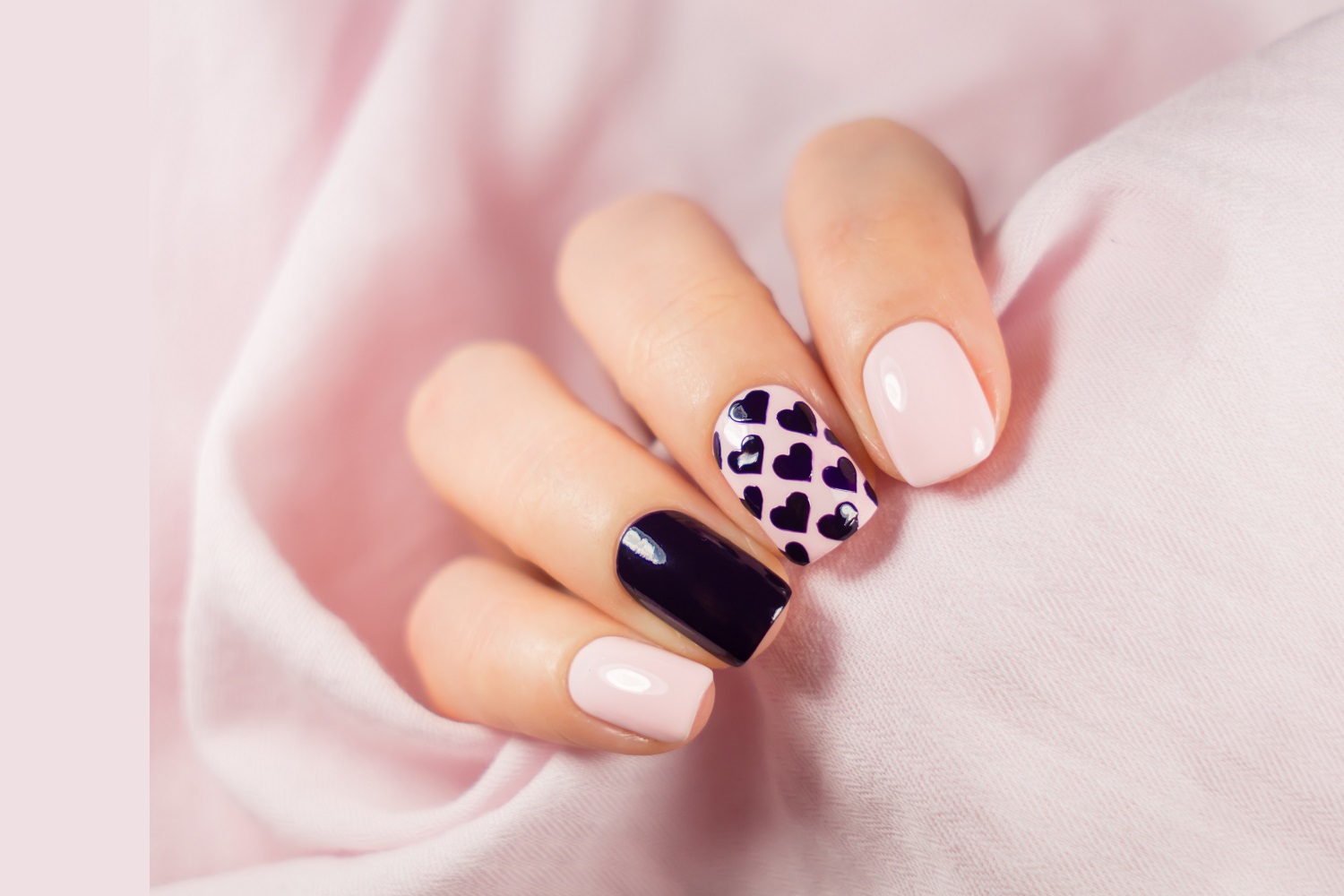
    Nail technicians look after, shape and decorate their clients’ finger and toe nails. You’ll use a variety of techniques to provide manicures, pedicures and/or nail extensions. You may be working directly for a salon, or be self-employed. You’ll need good communication skills as you’ll be dealing with a range of clients. If you’re working as a self-employed nail technician, you’ll need good business skills too.